How Geothermal Energy could Fuel the AI Boom
The race for AI dominance requires unprecedented energy - and the earth itself holds the key.

Thomas Trebicki

Artificial intelligence is hungry. The sheer computational force required to train large language models and run AI data centers has created an unprecedented energy crisis. Tech giants are scrambling for 24/7, carbon-free baseload power. Solar and wind are too intermittent, and traditional fossil fuels clash with corporate climate pledges.
The market hasn't fully digested the solution yet, but the biggest players in tech and finance are already quietly digging into it: Geothermal energy.
Here is a look at the companies leading the charge, the quiet billions pouring into the sector, and how you can position your portfolio for the geothermal boom.
The Disruptor: Fervo Energy (FRVO)
Fervo Energy is the fresh face of the geothermal renaissance, having just completed its IPO in May 2026 under the ticker FRVO. The market largely misunderstands Fervo, lumping it in with legacy renewable companies. But Fervo isn't just an energy company; it's a technology company.
Fervo uses Enhanced Geothermal Systems (EGS), applying advanced horizontal drilling techniques—borrowed from the shale oil boom—to create artificial geothermal reservoirs where natural ones don't exist.
The smart money is already heavily involved:
Google: Fervo is already supplying carbon-free energy to the Nevada grid to power Google's local data centers, acting as a real-world proof of concept.
Nvidia: The chipmaker is partnering with Fervo and the Pacific Northwest National Laboratory to build "EGS Twin," an AI-powered digital twin of geothermal reservoirs to optimize power generation using Nvidia's Omniverse.
Berkshire Hathaway: Warren Buffett's energy arm, BHE Renewables, has long been a quiet giant in traditional geothermal in places like California's Imperial Valley, signaling deep institutional confidence in the earth's heat as a reliable utility.

The Legacy Leader: Ormat Technologies (ORA)
While Fervo is the exciting newcomer, Ormat Technologies (trading under the ticker ORA) is the established heavyweight.
Understanding the difference between the two is crucial for investors:
Characteristics | Fervo Energy (FRVO) | Ormat Technologies (ORA) |
Technology | Enhanced Geothermal Systems (EGS) | Traditional Hydrothermal |
Approach | Drills horizontally to create new reservoirs | Taps into naturally occurring hot water/steam |
Risk Profile | Higher risk, higher potential scalability | Lower risk, proven track record |
Profitability | Growth-phase, heavily investing in new tech | Established revenue, consistent dividends |
Ormat is vertically integrated, meaning they build the equipment and operate the plants. They are the safe, steady play in the sector, whereas Fervo is the high-growth tech disruptor.
The Picks and Shovels Play: Baker Hughes (BKR)
During a gold rush, the surest way to make money is to sell the picks and shovels. In the geothermal boom, Baker Hughes (BKR) plays exactly that role.
You cannot drill 10,000 feet into the earth's crust without specialized, high-heat-resistant equipment. Baker Hughes has decades of expertise in oil and gas extraction, and they are actively pivoting that technology to service geothermal wells. Whether Fervo, Ormat, or another startup wins the geothermal race, Baker Hughes stands to profit from supplying the technology required to break ground.
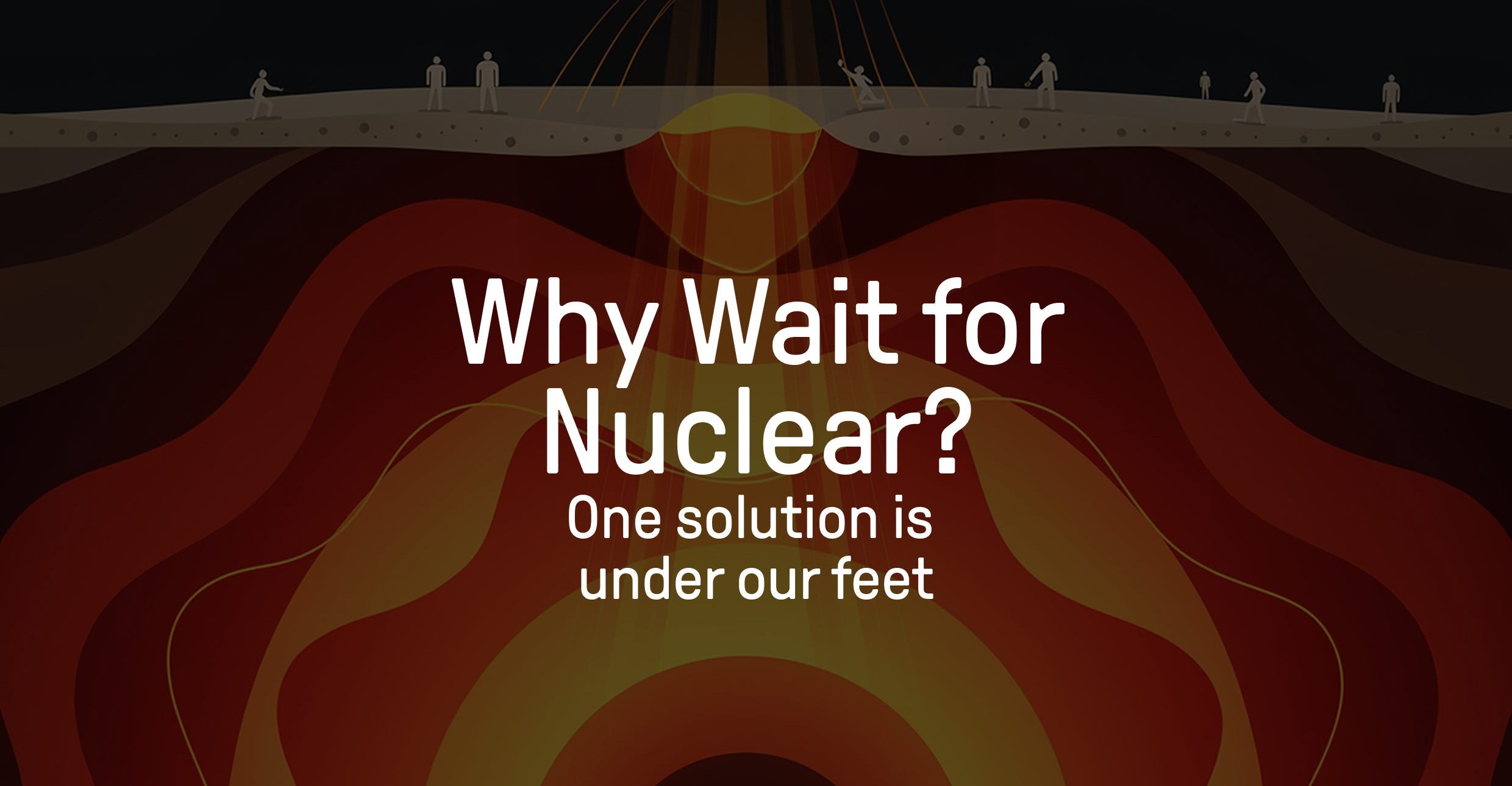
Geothermal vs. Nuclear: The Permitting Reality
When discussing clean, baseload power, the conversation inevitably turns to nuclear. It is true that nuclear projects face massive hurdles—they regularly cost billions of dollars and can take well over a decade to clear rigorous Nuclear Regulatory Commission (NRC) reviews and construction phases.
Because of this, many investors assume geothermal is the instant, cheap alternative. That part trips people up—here is the reality.
While much cheaper than a multi-billion dollar nuclear plant, a commercial-scale geothermal facility still costs anywhere from $50 million to $150 million to develop. Furthermore, federal permits aren't instantaneous. Historically, navigating land permits for geothermal exploration has taken 4 to 7 years.
The advantage? The momentum is shifting. Recent legislative pushes and "Categorical Exclusions" for exploratory drilling on federal lands are actively working to bypass years of red tape. Geothermal can be deployed in a fraction of the time it takes to build a nuclear reactor, giving it a massive edge in the race to power tomorrow's data centers.
Don't Drill Blind
The AI energy crisis is real, and geothermal is uniquely positioned to solve it. However, diving into new IPOs like FRVO or navigating the technical shifts with legacy players like ORA requires precise timing and analysis.
You shouldn't just blindly buy these stocks hoping to strike a geyser. Become a member today, and we will send you our real-time trade alerts the moment we see a high-probability entry point in the geothermal market.